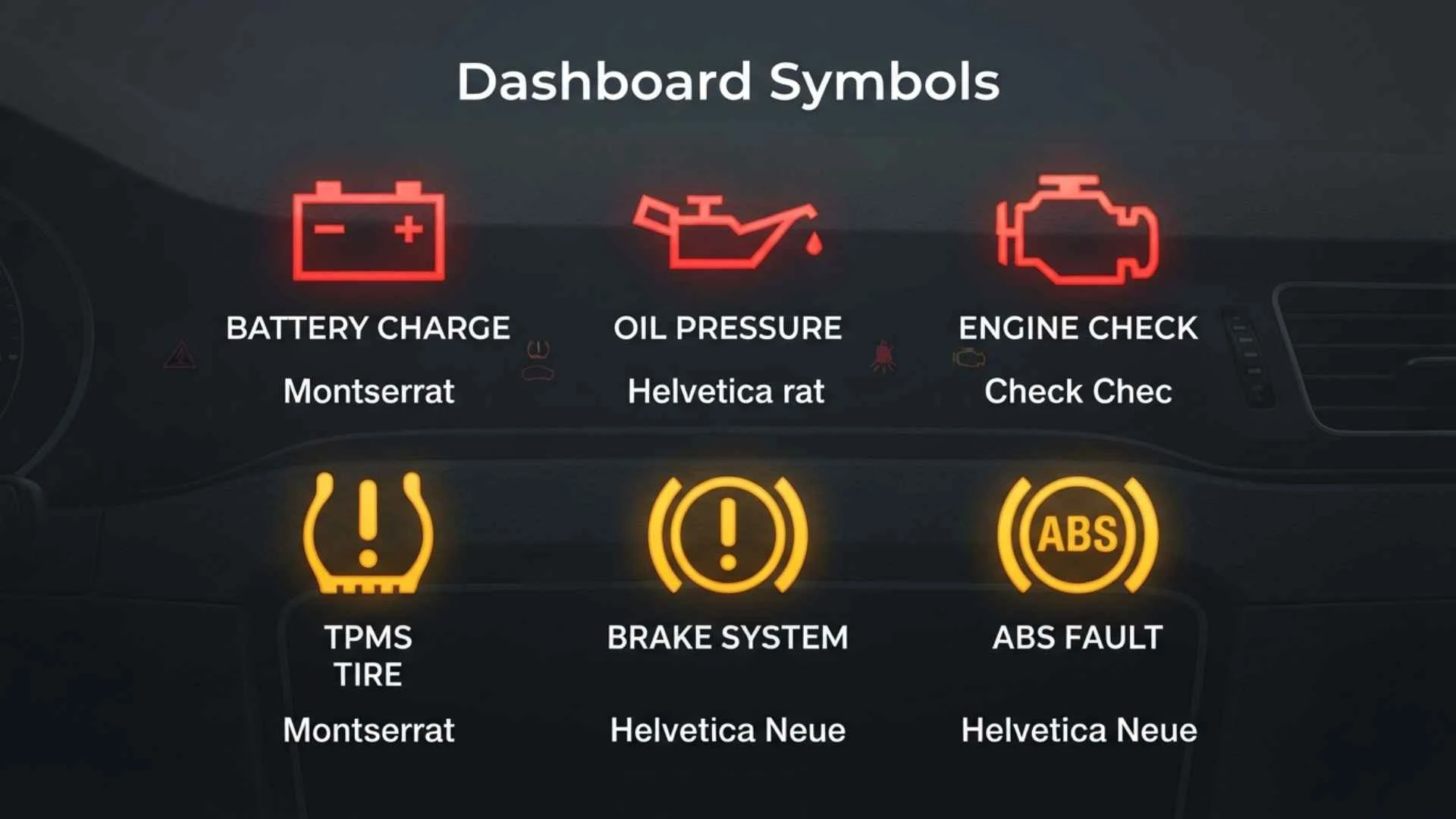
Your Honda’s dashboard communicates important information about your vehicle’s condition. From a simple turn signal indicator to a serious engine warning, every symbol has a purpose. Understanding Honda warning lights helps you recognize potential problems before they become expensive repairs or dangerous situations.
Honda dashboard symbols generally fall into four color categories: red, amber or yellow, green, and blue. Red indicators often signal serious problems that need immediate attention. Amber lights warn about potential faults while green and blue indicators usually display active vehicle functions.
However, not every Honda uses identical dashboard symbols. Their appearance and behavior can vary depending on the model, manufacturing year, engine, and available equipment.
This guide explains common Honda dashboard warning light meanings, possible causes, recommended actions, and important differences between warning indicators. Whether you drive a Civic, Accord, CR-V, HR-V, Pilot, or another Honda model, you’ll learn how to interpret your instrument panel.
What Do Honda Dashboard Warning Lights and Symbols Mean?
Honda dashboard warning lights are visual alerts that communicate information about your vehicle’s mechanical systems, electrical components, safety features, and operating conditions.
These indicators appear on the instrument panel, sometimes alongside messages on the vehicle information display. Some identify an active function while others indicate a malfunction requiring attention.
Honda dashboard indicators generally serve three purposes:
- Malfunction warnings: Identify potential problems with systems such as the engine, brakes, battery, or airbags.
- Condition indicators: Inform you about conditions requiring driver action, such as low fuel or an open door.
- On/off indicators: Show when features such as cruise control, headlights, or ECON mode are operating.
Many indicators briefly illuminate when you start your Honda. This is part of the vehicle’s startup system checks. However, a warning that remains illuminated may indicate a problem.
Always check your specific Honda owner’s manual because symbols and recommended actions differ between models.
Honda Dashboard Warning Light Colors and Their Meanings
The color of a dashboard indicator provides an initial clue about its importance. However, color alone doesn’t determine whether driving is safe.
| Light color | General meaning | Recommended action |
| Red | Serious warning or important condition | Stop safely when required and investigate |
| Amber or yellow | Potential malfunction or caution | Check the warning and arrange inspection |
| Green | Active vehicle function | Usually no action required |
| Blue | Informational indicator | Check the displayed function |
Red Honda Warning Lights
Red Honda warning lights generally indicate serious conditions involving vehicle safety or mechanical operation. Some require you to stop immediately.
For example, low oil pressure can damage an engine quickly. Similarly, a serious brake system warning may indicate reduced braking ability.
Never ignore a red warning simply because your vehicle still feels normal.
Amber or Yellow Honda Warning Lights
Amber Honda warning lights typically identify potential malfunctions, maintenance requirements, or unavailable vehicle features.
Examples include the check engine light, ABS warning, and tire pressure monitoring system.
Some amber warnings allow cautious driving. Others require you to stop or seek immediate assistance. Always follow the instructions associated with the specific symbol.
Green Honda Dashboard Symbols
Green Honda dashboard symbols generally indicate that a vehicle function is active.
Common examples include turn signals, fog lights, cruise control, and ECON mode. These indicators usually communicate operating status rather than mechanical failure.
Blue Honda Dashboard Symbols
Blue Honda dashboard symbols commonly provide lighting or temperature information.
The high-beam indicator is a familiar example. Some Honda models also display a blue coolant temperature indicator when the engine remains cold.
Red Honda Warning Lights and Their Meanings
Red indicators deserve particular attention because several involve essential vehicle systems.
Red Oil Pressure Warning Light
The Honda oil pressure warning light usually appears as a red oil can symbol.
It indicates that engine oil pressure has fallen below the required level. Without proper lubrication, moving engine components can experience excessive friction and serious damage.
Possible causes include:
- Insufficient engine oil.
- Oil leakage.
- A failing oil pump.
- Blocked oil passages.
- Internal engine wear.
- A faulty pressure sensor.
What should you do?
Stop somewhere safe and switch off the engine. Check the oil level after following the owner’s manual instructions. If the warning remains illuminated after correcting an oil level issue, arrange professional assistance.
Remember that low oil pressure and low oil level are different conditions. Adding oil won’t necessarily solve an oil pressure problem.
Red Brake System Warning Light
The Honda brake warning light may display BRAKE or a circular symbol containing an exclamation mark.
Possible reasons include:
- Parking brake engagement.
- Low brake fluid.
- Hydraulic brake system problems.
- A brake system malfunction.
First, confirm that the parking brake is completely released. If the warning remains illuminated, check the owner’s manual and arrange an inspection.
If the brake pedal feels unusually soft or braking performance decreases, stop safely and don’t continue driving.
Red Battery Charging System Warning Light
The Honda battery warning light resembles a rectangular battery with positive and negative terminals.
It usually indicates a charging system problem rather than simply a weak battery.
Possible causes include:
- Alternator failure.
- Damaged charging cables.
- Loose battery connections.
- A damaged drive belt.
- Electrical system faults.
If this warning appears while driving, the battery may stop receiving sufficient charge. Turn off unnecessary electrical accessories and follow the vehicle’s instructions. Arrange immediate assistance.
Red Engine Coolant Temperature Warning Light
The engine temperature warning light indicates that the engine may be overheating.
Common causes include coolant leaks, radiator problems, cooling fan failure, or thermostat malfunction.
Watch for additional symptoms:
- Steam coming from beneath the hood.
- Unusual engine smells.
- Rising temperature gauge readings.
- Reduced engine performance.
Stop safely and switch off the engine when appropriate. Never remove a hot radiator cap because pressurized coolant can cause severe burns.
Red Electric Power Steering Warning Light
The Electric Power Steering (EPS) warning light indicates a possible steering assistance malfunction.
You might notice heavier steering or increased effort when turning the wheel.
Potential causes include electrical problems, sensor faults, or steering system malfunctions.
If steering becomes difficult to control, stop safely and arrange professional inspection.
Red SRS and Airbag Warning Light
The Supplemental Restraint System (SRS) warning light indicates a possible problem with the airbag or seat belt pretensioner system.
Potential causes include faulty sensors, damaged wiring, or control module problems.
An illuminated SRS indicator means some safety features may not operate as intended during a collision. Arrange professional diagnosis rather than attempting to reset the system yourself.
Other Red Honda Dashboard Symbols
| Warning symbol | Meaning | Recommended action |
| Seat belt | Seat belt isn’t properly fastened | Fasten the seat belt |
| Open door | A door or tailgate isn’t closed | Close it securely |
| Engine temperature | Engine overheating | Stop safely and investigate |
| Brake hold | Brake hold operating status or fault, depending on indicator | Check the displayed status |
| Brake system | Possible braking malfunction | Check immediately |
Amber and Yellow Honda Warning Lights and Their Meanings
Amber indicators often provide early notice of problems. Identifying them quickly can prevent further damage.
Amber Check Engine Light
The Honda check engine light appears as an engine-shaped symbol. It is also called the Malfunction Indicator Lamp (MIL).
It monitors the engine management and emissions control systems.
Possible causes include:
- Loose or missing fuel cap.
- Faulty oxygen sensor.
- Ignition system problems.
- Misfiring engine cylinders.
- Exhaust system faults.
- Fuel system problems.
A steady check engine light generally requires prompt diagnosis. A flashing check engine light can indicate a serious engine misfire that may damage the catalytic converter.
Reduce driving and stop safely when necessary. Arrange professional diagnosis promptly.
Amber ABS Warning Light
The Honda ABS warning light indicates a possible problem with the Anti-lock Braking System.
Common causes include faulty wheel speed sensors, damaged wiring, or ABS control module problems.
Your conventional brakes may continue working even when ABS assistance becomes unavailable. However, the anti-lock function may not operate correctly during hard braking.
Have the system inspected promptly.
Amber Tire Pressure Warning Light
The Honda TPMS warning light resembles a horseshoe-shaped tire with an exclamation mark.
TPMS stands for Tire Pressure Monitoring System. It alerts drivers when one or more tires have significantly low pressure or when the system detects a fault.
Possible causes include:
- Tire punctures.
- Natural air pressure loss.
- Temperature changes.
- Damaged TPMS sensors.
- Incorrect tire inflation.
Check every tire using a reliable pressure gauge. Inflate them according to the recommended specifications on the driver’s door-jamb label or owner’s manual.
A flashing TPMS light that remains illuminated can indicate a system malfunction rather than simply low pressure.
Amber Vehicle Stability Assist Warning Light
The Vehicle Stability Assist (VSA) warning light relates to Honda’s electronic stability and traction assistance system.
VSA helps maintain vehicle stability by managing engine power and individual wheel braking when necessary.
A flashing indicator can show that the system is actively responding to wheel slip. A continuously illuminated malfunction indicator may signal a fault.
Check whether VSA has been switched off. If the warning remains illuminated, arrange an inspection.
Amber Electric Parking Brake Warning Light
The electric parking brake warning light indicates a possible problem with the electronically controlled parking brake.
Possible causes include actuator problems, electrical faults, or switch malfunctions.
If the warning appears while driving, follow the owner’s manual instructions and seek professional assistance.
Other Important Amber Honda Warning Lights
| Dashboard symbol | Meaning | What to do |
| Low fuel | Fuel level is low | Refuel promptly |
| Wrench | Maintenance Minder reminder | Check scheduled maintenance |
| Smart entry | Keyless entry or starting system problem | Check the key fob and system |
| Auto Idle Stop | Idle-stop system condition or malfunction | Check the accompanying message |
| Blind spot | Blind Spot Information system fault or alert | Check mirrors and arrange inspection |
| Lane departure | Lane monitoring or assistance warning | Check system availability |
| Forward collision | Collision assistance alert or malfunction | Maintain safe following distance |
| DPF | Diesel particulate filter problem | Follow model-specific instructions |
| Glow plug | Diesel engine preheating or malfunction | Follow the owner’s manual |
| Washer fluid | Washer fluid level is low | Refill the reservoir |
Green Honda Dashboard Symbols and Their Meanings
Green indicators generally show that a particular feature is operating.
Green Turn Signal Indicator
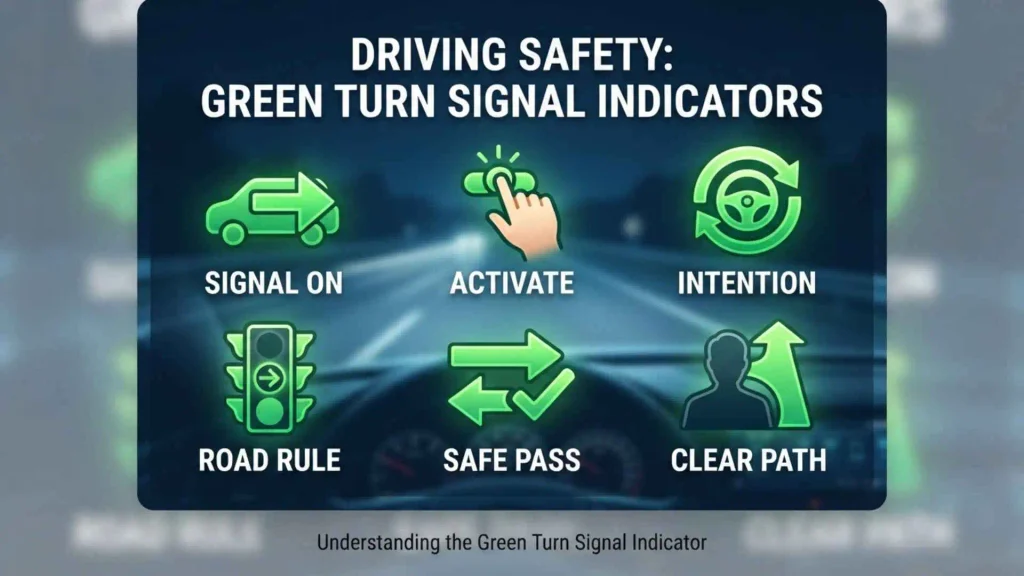
The left and right arrows show when your direction indicators are active.
If an indicator flashes unusually quickly, a turn signal bulb or circuit may have failed.
Green ECON Mode Indicator
The Honda ECON mode indicator appears when the fuel-saving driving mode is activated.
Depending on the model, ECON mode adjusts throttle response and certain climate control settings to support fuel efficiency.
It doesn’t guarantee a particular fuel economy figure. Driving habits and road conditions still matter.
Green EV Mode Indicator
The EV mode indicator appears in compatible Honda hybrid vehicles.
It shows that the vehicle is operating in electric-only driving mode under suitable conditions.
Battery charge, vehicle speed, and power demand influence EV mode availability.
Green Cruise Control Indicator
This symbol indicates that cruise control is active or switched on, depending on the display.
Some Honda vehicles use separate indicators for cruise control standby and actual speed control.
Other Green Dashboard Indicators
- Front fog light indicator: Front fog lights are switched on.
- Exterior lights indicator: Certain exterior lights are operating.
- Adaptive Cruise Control (ACC): Shows the system’s operating or standby status.
- Auto Idle Stop: Displays normal automatic engine stop operation where equipped.
Blue Honda Dashboard Symbols and Their Meanings
Blue indicators usually provide information about lighting or engine temperature.
Blue High Beam Indicator
The blue headlight symbol means your high-beam headlights are switched on.
High beams improve visibility in dark areas without nearby traffic. Switch to low beams when approaching other vehicles to avoid dazzling their drivers.
Blue Coolant Temperature Indicator
Some Honda models display a blue thermometer symbol when the engine coolant remains cold.
This is generally a normal operating indicator rather than a malfunction.
The light usually disappears as the engine warms. Avoid demanding heavy engine performance immediately after a cold start.
Honda Warning Lights by Vehicle System
Understanding dashboard warnings by vehicle system makes troubleshooting easier.
| Vehicle system | Common Honda warning lights |
| Engine and powertrain | Check engine, oil pressure, coolant temperature |
| Braking | Brake system, ABS, electric parking brake |
| Electrical | Battery charging, starter system |
| Steering | Electric Power Steering |
| Tires | TPMS |
| Safety | SRS, airbag, seat belt |
| Driver assistance | VSA, ACC, BSI, LKAS |
| Diesel exhaust | DPF and glow plug |
| Maintenance | Maintenance Minder and service reminders |
Honda vehicles may also display hybrid battery, charging, and electric power system warnings where equipped.
Which Honda Warning Lights Mean You Should Stop Driving?
Some Honda dashboard warning lights require immediate attention because continued driving could create serious safety risks or damage.
| Warning light | Recommended response |
| Red oil pressure | Stop safely and switch off the engine |
| Red overheating | Stop safely and allow the engine to cool |
| Serious brake warning | Stop if braking performance is affected |
| Steering malfunction | Stop if steering control becomes difficult |
| Flashing check engine | Reduce driving and arrange prompt diagnosis |
| Charging system | Reduce electrical demand and seek assistance |
Never assume an amber indicator is harmless. A serious warning can appear alongside other symptoms or dashboard messages.
What to Do When a Honda Dashboard Warning Light Appears
Follow these steps when an unfamiliar warning appears.
Identify the symbol: Check its color, shape, and accompanying message.
Check whether it flashes: A flashing indicator can communicate a different condition from a steady warning.
Assess vehicle behavior: Notice unusual noises, smoke, vibrations, overheating, or changes in braking and steering.
Stop safely when necessary: Move away from traffic and switch off the engine when the warning requires it.
Check basic conditions: Inspect oil, tire pressure, coolant, or washer fluid when safe and appropriate.
Arrange professional diagnosis: Use suitable diagnostic equipment and consult a qualified technician.
Why Do Honda Dashboard Warning Lights Stay On?
Several problems can cause warning indicators to remain illuminated.
- Faulty sensors: Damaged wheel speed, temperature, or pressure sensors can trigger warnings.
- Electrical problems: Weak batteries, damaged wiring, and poor connections may affect electronic systems.
- Low fluid levels: Insufficient oil, brake fluid, or coolant can trigger specific alerts.
- Mechanical faults: Engine, transmission, steering, and braking problems can activate malfunction indicators.
- Temporary conditions: Blocked cameras, low tire pressure, and certain operating conditions can affect system availability.
An OBD-II scanner can retrieve diagnostic trouble codes from compatible systems. However, a code identifies a detected problem or circuit condition rather than automatically confirming which component needs replacement.
How to Reset Honda Dashboard Warning Lights
Resetting an indicator without fixing its cause can hide an important problem.
Different Honda systems also require different procedures.
Resetting the Honda Maintenance Minder
The wrench symbol indicates that scheduled maintenance is due.
Depending on the model, you can access the maintenance information through the instrument display and follow the reset procedure described in the owner’s manual.
Honda’s Maintenance Minder considers driving conditions and vehicle operating information when calculating service requirements.
Resetting the TPMS Warning Light
First, inflate all tires to the recommended pressure. Then perform the TPMS calibration or initialization procedure if your Honda requires it.
The procedure varies by model and year.
Resetting the Check Engine Light
An OBD-II scanner can clear stored diagnostic codes. However, clearing the code doesn’t repair the original problem.
Diagnose and fix the underlying fault first. Otherwise, the warning may return.
Never casually reset oil pressure, brake, overheating, or SRS warnings.
Honda Dashboard Warning Lights by Model
Dashboard layouts and available indicators vary across Honda vehicles.
| Honda model | Common indicators |
| Civic | Check engine, ABS, TPMS, VSA, oil pressure |
| Accord | Charging system, SRS, EPS, brake system |
| CR-V | TPMS, VSA, ACC, engine warnings |
| HR-V | ABS, EPS, brake system, TPMS |
| Pilot | Brake hold, VSA, transmission, ACC |
| Odyssey | Charging, SRS, TPMS, brake system |
| Ridgeline | AWD, VSA, transmission, engine |
| Accord Hybrid | Hybrid system, EV mode, battery |
| CR-V Hybrid | EV mode, hybrid powertrain, battery |
These are examples rather than complete model-specific inventories. The correct symbols depend on the vehicle’s generation, trim, and market.
How to Find the Correct Honda Dashboard Symbol Meaning
The most reliable reference is your vehicle’s official owner’s manual.
Follow these steps:
- Identify your Honda’s exact model and manufacturing year.
- Find the matching owner’s manual.
- Open the instrument panel or warning indicator section.
- Compare the dashboard symbol with the manual’s illustration.
- Read any accompanying vehicle information display message.
- Follow the recommended response.
You can access official resources through Honda Owners.
Frequently Asked Questions About Honda Warning Lights
What Do Honda Dashboard Warning Lights Mean?
Honda dashboard warning lights communicate vehicle conditions, system malfunctions, and active functions. Red and amber indicators often require attention while green and blue symbols generally provide operating information.
What Is the Most Serious Honda Dashboard Warning Light?
The red oil pressure warning, engine overheating warning, and serious brake system warning deserve immediate attention. Continuing to drive with these problems can cause severe damage or compromise safety.
Can I Drive With My Honda Check Engine Light On?
A steady check engine light generally requires prompt diagnosis. A flashing light can indicate an engine misfire that may damage the catalytic converter. Reduce driving and arrange professional inspection.
Why Does My Honda Battery Light Come On While Driving?
The battery charging warning usually indicates a charging system problem. A faulty alternator, damaged belt, or electrical connection issue may prevent proper battery charging.
What Does a Flashing Honda Dashboard Warning Light Mean?
A flashing warning can indicate an active system condition or a malfunction. Its meaning depends on the symbol. For example, a flashing check engine light can signal a serious engine misfire.
Why Do Honda Warning Lights Come On When Starting the Car?
Many dashboard indicators illuminate briefly during startup as part of the vehicle’s system checks. They should generally turn off after the checks finish unless a problem remains.
Can a Weak Battery Cause Multiple Honda Dashboard Warning Lights?
Yes. Low battery voltage can interfere with electronic control systems and trigger several warning indicators. However, multiple lights can also indicate other electrical or mechanical faults.
How Do I Turn Off the Honda Maintenance Minder Light?
Complete the required maintenance first. Then follow the model-specific Maintenance Minder reset instructions in your owner’s manual.
Where Can I Find a Complete Honda Dashboard Symbols Guide?
Check your Honda owner’s manual for the exact dashboard symbols fitted to your vehicle. Honda’s official website provides model-specific manuals and maintenance information.
Final Thoughts on Honda Warning Lights and Dashboard Symbols
Understanding Honda warning lights and dashboard symbols helps you recognize problems, respond safely, and maintain your vehicle properly.Remember the general color guide: red usually signals serious warnings, amber indicates caution, and green or blue generally communicates operating information.However, the individual symbol matters more than its color alone. A flashing indicator, accompanying dashboard message, or unusual vehicle behavior can change the recommended response.Keep your Honda owner’s manual accessible and never ignore a warning that remains illuminated. When a serious indicator appears, prioritize safety and arrange a proper inspection rather than guessing.

I am John Carter, a lifelong enthusiast of language and modern slang. I explore how words evolve and shape culture, and I enjoy uncovering the stories behind everyday expressions. I have authored “Slang and Society: The Language of Youth” and “Modern Words, Modern Worlds”, where I dive into how informal language impacts communication and identity. My goal is to make language accessible, fun, and insightful for everyone who loves words as much as I do.
 Lisa Reynolds